Lawn Care Services: Get a Lush, Green Yard All Year Long
Lawn care services provide essential expertise in maintaining a healthy, lush yard throughout the year. These experts assess various factors, such as soil type and local climate, to formulate customized care plans. Their focus on sustainability and quality equipment strengthens both the curb appeal and worth of residential properties. Grasping the subtleties of lawn care can result in thoughtful choices. Yet, many homeowners often disregard vital elements that can influence their outdoor space.
What Are the Advantages of Expert Lawn Care?
Professional lawn care services offer numerous benefits that enhance both the aesthetic charm and condition of residential and commercial landscapes. These options present professional guidance in turf management, making certain that lawns get the correct treatments for peak results. A well-kept lawn raises property worth and generates a appealing setting, proving it vital for homeowners and businesses alike.
Furthermore, professional lawn care includes tailored care strategies that tackle particular soil compositions, turf species, and regional weather patterns. This tailored approach helps prevent typical problems such as pests, weeds, and diseases. Additionally, such services often utilize premium tools and sustainable solutions, promoting sustainability while delivering outstanding outcomes. Consistent upkeep also saves hours and labor for homeowners, enabling them to concentrate on other priorities. In the end, committing to expert landscape services not only fosters a vibrant landscape but also supports a healthier environment.
In What Manner Do Seasonal Transitions Alter Grass Maintenance Needs?
Seasonal changes significantly impact lawn care routines. Variations in temperature and rainfall patterns substantially impact grass growth and maintenance requirements. Furthermore, proper lawn care necessitates customized fertilization strategies to correspond to these seasonal changes.
Temperature Shifts Influence Progress
As temperatures vary throughout the year, the development cycles of grass and other plants in lawns are considerably affected. In spring, warmer temperatures encourage growth, encouraging grass to green up and thrive. Conversely, summer heat can lead to stress, resulting in some grass types to enter dormancy, resulting in a brownish appearance. During autumn, cooler temperatures allow for recovery and growth before winter dormancy sets in. Winter's low temperatures halt growth altogether, requiring careful monitoring to prevent damage from frost. Understanding these temperature variations is essential for proper lawn care, as they determine appropriate fertilization, watering, and mowing practices. By adapting to seasonal changes, homeowners can maintain a vibrant, healthy lawn year-round.
Precipitation Patterns and Maintenance
While precipitation trends greatly influence grass maintenance, comprehending their variability is vital for optimal maintenance. Varying seasonal periods bring distinct rainfall amounts, affecting ground hydration and grass growth. In spring, regular precipitation can encourage quick expansion, necessitating frequent mowing and correct watering practices. Conversely, summer may bring dry spells, requiring additional irrigation to avoid drought stress. During fall, fluctuating precipitation can affect organic matter breakdown, affecting nutrient access. Winter poses its own difficulties, as icy soil can restrict water absorption, making it crucial to ready the lawn before the cold sets in. By adapting maintenance practices to correspond to rainfall variations, homeowners can guarantee a healthy, vibrant lawn throughout the year.
Seasonal Fertilizer Guidelines Vital
A appropriately timed fertilization program can tremendously boost turf health throughout the year. Climate changes considerably determine nutrient requirements, demanding tailored methods. In spring, quick-release fertilizers support healthy growth as the grass awakens from dormancy. Late spring may gain from slow-release formulas to sustain strength during warmer months.
When summer warmth peaks, nitrogen-heavy treatments can strengthen stress resilience. In fall, a balanced fertilizer prepares the lawn for winter, promoting root development and nutrient storage. Winter treatments, though uncommon, can support soil health.
Year-Round Turf Care Services
Consistent year-round lawn care services guarantee that a property remains lush and thriving through every season. These expansive offerings include a range of vital treatments, including regular mowing, soil loosening, and weed control, customized to meet the specific needs of different climates and grass types. By maintaining a regular routine, lawn care professionals can successfully eliminate issues such as pests, diseases, and nutrient deficiencies that often arise throughout the year.
In the early months of the year, lawn services prioritize fertilization and restoration, whereas in summer, the concentration moves to efficient watering and controlling pests. Autumn care features supplemental seeding and preparing the lawn reference for winter, ensuring hardiness in cold weather. Throughout winter, professional care may consist of snow removal and protecting the lawn from harsh conditions. Ultimately, year-round lawn care services provide homeowners with the peace of mind that their outdoor spaces will succeed, enhancing the overall beauty and value of the property.
How to Select the Best Lawn Care Package
How can homeowners choose the perfect lawn care plan for their requirements? Initially, they should assess their grass's particular needs, like dimensions, grass type, and current problems such as pests or diseases. Comprehending regional weather patterns is also essential, as it influences the type of care required throughout the year.
Next, homeowners should review available services, such as fertilization, weed control, and aeration. They might consider a comprehensive package that includes all aspects or choose a more tailored approach based on their lawn's unique needs.
Furthermore, assessing customer feedback and requesting recommendations can offer understanding of the dependability and efficiency of multiple companies.
In conclusion, budget constraints should be considered. Homeowners should seek a plan that strikes a balance between quality services and value, confirming they receive ideal care without breaking the bank. This thoughtful approach will create a vibrant, healthy lawn year-round.
Sidestepping Frequent Turf Management Errors
Failing to care for your grass adequately can produce a variety of complications that affect a turf's overall health and look. One prevalent mistake is overwatering the lawn, which can choke roots and enable disease spread. On the other hand, too little watering can lead to desiccated, tan patches. In addition, numerous residents neglect to cut grass at the right level, which can damage grass and encourage unwanted plants. Applying worn-out blades makes this worse, damaging grass fibers rather than slicing it neatly.
Another typical mistake is using plant nutrients improperly. Excessive fertilizing can lead to nutrient loss and damage local environments. Moreover, neglecting soil health, such as pH levels and compaction, can hinder lawn development. Finally, overlooking seasonal variations in grass maintenance needs can stop peak health. By being mindful of these common pitfalls, homeowners can ensure their lawns remain healthy and green throughout the year.
DIY Turf Care Pointers Between Certified Treatments
Sustaining a vibrant lawn necessitates ongoing attention, notably between professional appointments. Property owners can execute numerous do-it-yourself tips to assure their yards remain vibrant. Initially, consistent grass cutting is essential; cutting grass at the suitable level fosters more profound foundational expansion and minimizes unwanted plant proliferation. Moreover, preserving sharp cutting edges is important for clean cuts.
Watering practices also are vital. It is preferable to water deeply but infrequently, allowing the soil to absorb moisture while preventing surface runoff. Early morning is the ideal time for watering, reducing evaporation.
Fertilization should be conducted carefully. Utilizing slow-release fertilizer can deliver necessary nutrients without saturating the grass. Homeowners should also look for pest and disease concerns, handling issues without delay to reduce harm.
In conclusion, performing aeration, especially during growing seasons, allows for better air and nutrient penetration, cultivating a dense and vigorous appearance. Implementing these strategies can markedly strengthen lawn health between professional services.
Regularly Posed Inquiries
How Regularly Ought to I Water My Lawn During Summer?
Throughout summer, typical lawns need regular watering two to three times weekly. Every session must supply about one inch of water, ensuring thorough root penetration while avoiding excess moisture that can cause fungal development.
Which Kinds of Grass Work Well in My Region?
Cool-season grasses, including Kentucky bluegrass and fescue, grow successfully in northern regions, while warm-season varieties such as Bermuda and zoysia are suitable for southern climates. Picking the right type strengthens lawn health and robustness.
Can Lawn Care Services Help With Pest Elimination?
Yes, lawn care services can assist with pest control. They provide solutions to manage pests effectively, ensuring the health of the lawn while avoiding harm. Professional expertise helps preserve a balanced ecosystem within the yard.
What signals indicate that my lawn requires fertilizer?
Symptoms showing a lawn demands fertilization feature yellowing grass, poor growth, and sparse areas. Soil testing can also display nutrient deficiencies. Assessing these factors helps determine the necessity for fertilization to boost healthy grass development.
What Apparatus Do Specialists Employ for Lawn Care?
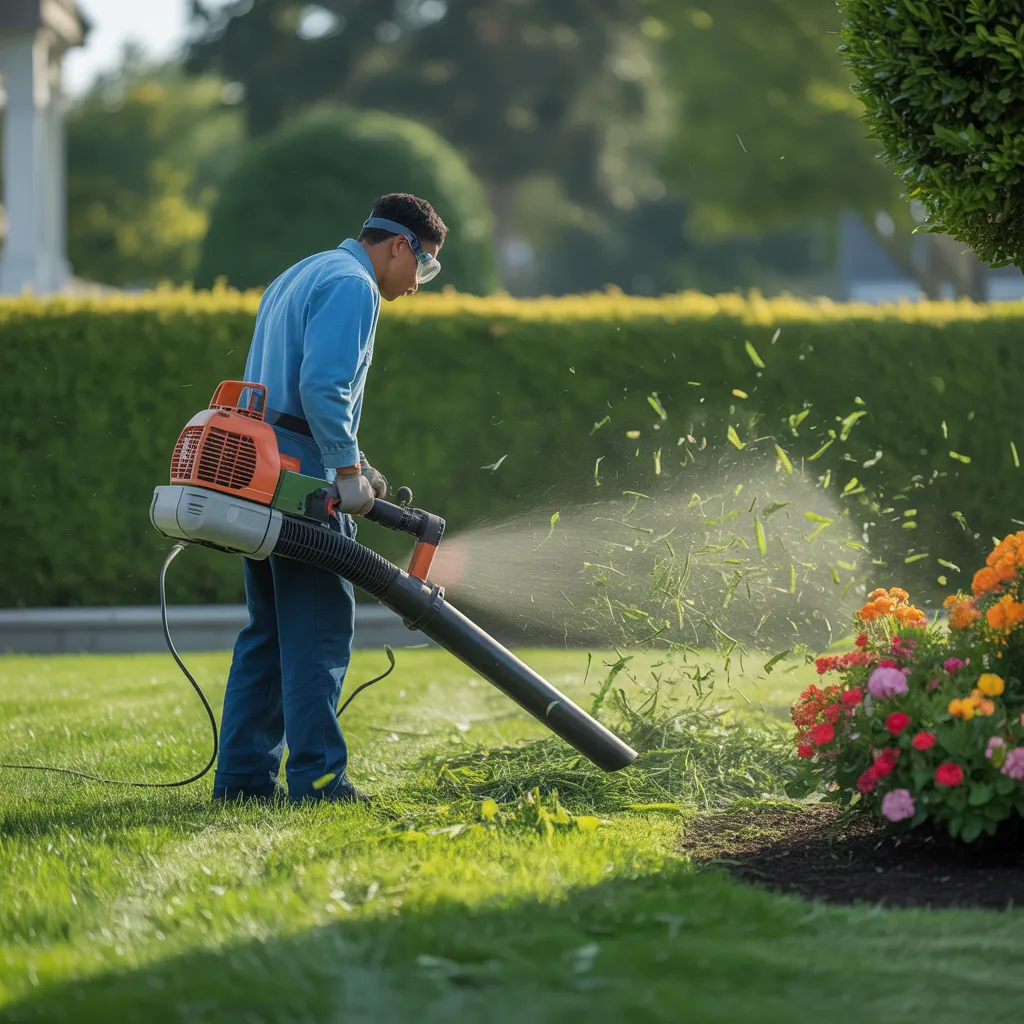
Professionals utilize a diverse collection of tools for grass care, featuring mowers, trimmers, blowers, aerators, and sprayers. Each piece of equipment serves distinct purposes, guaranteeing efficient maintenance and encouraging strong growth throughout the seasons.